Saturday, February 25, 2006

the mystery of henry darger (1892-1972)

if henry had been rich, they might have called him "eccentric"; but since he was poor, he was "crazy." he was a chicago naitive who spent most of his childhood in an assylum for "peculiar" children in central illinois- but, at the age of 17 he escaped and walked the 162 miles back to his home town where he got a job as a janitor at a catholic hospital. he held this job for most of the remainder of his life. he rarely spoke to anyone and his only "friends" were his landlord and neighbor. when henry died at the age of 80, his landlord discovered a hidden life's work in henry's apartment: a 15,000 page, 12 volume, single-spaced, typewritten epic entitled The Story of the Vivian Girls, in What is Known as the Realms of the Unreal, of the Glandeco-Angelinnian War Storm, as caused by the Child Slave Rebellion (pictured below as found). to accompany the epic, henry had painted hundreds upon hundreds of colorful paintings, collages and prints, some over ten feet long, that depict the strange world henry lived in.


his primary themes revolve around justice, faith, innocence, sensuality and heroism; yet offer an awkwardness that unsettles the viewer just enough to at once invite and repulse. for more of his paintings go here and here. view the documentary of his life and work if you get a chance.

Thursday, February 23, 2006

demasiado


image copyright: phil nellis, 1999

Sunday, February 19, 2006

crash

"It's the sense of touch. In any real city, you walk, you know? You brush past people, people bump into you. In L.A., nobody touches you. We're always behind this metal and glass. I think we miss that touch so much, that we crash into each other, just so we can feel something." - opening line from crash.

just saw this film again tonight and i am in the same state i was after i saw it months ago: stomach in knots, feeling very exposed. it is a gutt-wrenching, weave of stories that powerfully addresses our unwillingness to engage the "other"- all of us. it is heavy and beautiful stuff. (viewer discretion advised)

Friday, February 17, 2006

bono

at the national prayer breakfast here.

Wednesday, February 15, 2006

jesus vs jesus


what has happened to america's jesus? (thanks aaron)

"Several times during the week, I thought about telling my family what's happened to Jesus in the United States - how he's been kidnapped by politicians and preachers who decide what he does and doesn't think. They speak for him, and it doesn't always make sense.
They say Jesus is 'pro life,' but he doesn't seem to have a problem with the death penalty. And he thinks stem cell research - something that would save lives - is no different from murdering babies. They say he's the embodiment of kindness, love, decency and compassion. But he hates gays, lesbians and Muslims. And he's not too crazy about Buddhists, Hindus and the rest. Jews? He can put up with them if he has to."

Tuesday, February 14, 2006

...and i am undone.

Saturday, February 11, 2006

murphy's law

our week in perspective:
ruth's car is in the shop- head gasket.
phil comes down with flu- miss two days work.
ruth crashes too- crippie and gravid.
phil gets better, wants to work- phil's car dies.
sylas got sick- learning to eat carrots and egg yokes.

Wednesday, February 08, 2006

what is happening here?

liberation by M.C. Escher
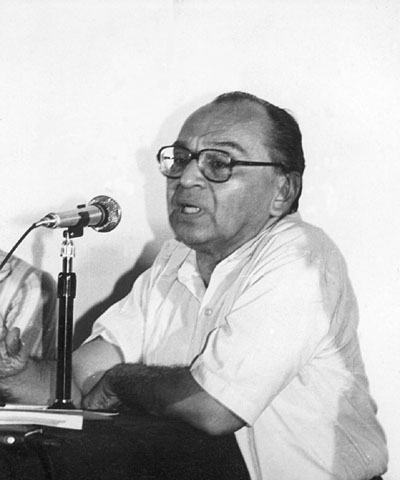
i have begun to really appreciate liberation theology- for its latin american roots, focus on the poor, and the recovery of lost or marginalized voices. the father of liberation theology, gustavo gutierrez, called for a "teologia desde abajo" (theology from below or underneath) emphasizing that theology should be birthed out of specific contexts where communities of faith are wrestleing with scripture and discovering what it means for them to follow the way of jesus as a specific community, in a specific place at a specific time. this is in contrast to "cookie cutter" theological systems being enforced from the top-down; sometimes irrelevant, sometimes oppressive in themselves.

i believe "teologia desde abajo" is what is happening in this space and on blogs all over town where voices from the streets are in conversation about what it means to follow christ in our current and specific contexts. in many ways this dialogue is far more relevant and engaging than anything you hear from the average pulpit. perhaps this is an invitation to pastors to join the conversation. read more here: "We know more than our pastors" by tim bedner.